niceph. Probability in Casino Games
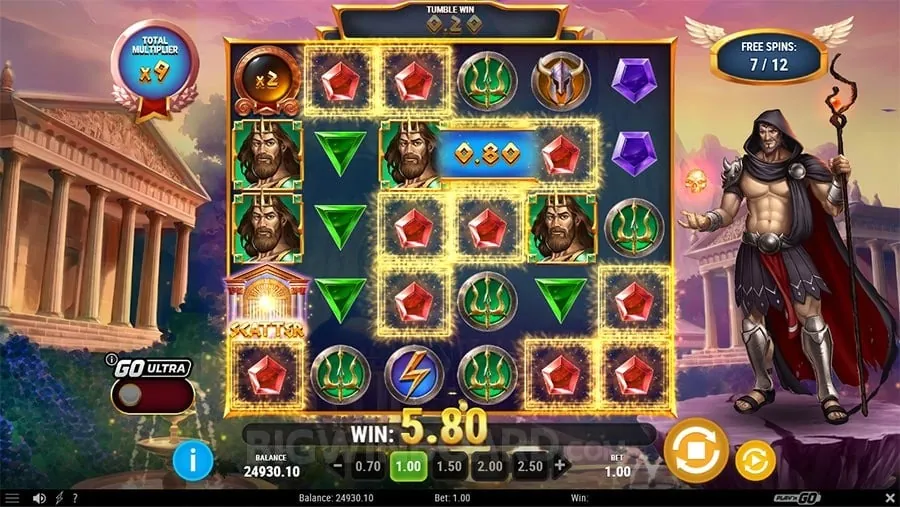
niceph. Probability in Casino Games: Understanding Your Odds for Smarter Play
Welcome to niceph., your premier mobile-first online gaming platform in the Philippines! In the thrilling world of online casinos, understanding the concept of probability is not just an academic exercise; it's a fundamental tool for smarter play. Many players dive into games relying solely on luck, but a deeper grasp of how odds work can significantly enhance your gaming experience and decision-making. This article aims to demystify probability in various casino games, offering a comparative analysis of different game types and strategies. Whether you're a seasoned player or new to the vibrant scene of online gaming in the Philippines, learning about the underlying mathematical chances can transform your approach. We'll explore how probability influences outcomes, compare the odds across popular games like slots, blackjack, roulette, and poker, and provide practical tips to help you make more informed choices. Get ready to elevate your game and navigate the exciting world of online casinos with a strategic edge, all while enjoying the fantastic promotional offers available on niceph.!
Check out our latest promotional offers and dive into the action!
Table of Contents
- What is Probability in Casino Games?
- Probability vs. House Edge: Key Concepts
- Comparing Probabilities Across Popular Casino Games
- Slots vs. Table Games: A Probabilistic Showdown
- Strategies and Probability: Maximizing Your Chances
- Responsible Gaming and Probability Awareness
What is Probability in Casino Games?
At its core, probability is the mathematical measure of the likelihood of an event occurring. In casino games, this translates to the chances of a specific outcome – whether it's hitting a jackpot on a slot machine, drawing a winning hand in poker, or the ball landing on your chosen number in roulette. Understanding probability helps players grasp the inherent randomness of games and the long-term expected outcomes. It's not about predicting the next spin or card, but rather understanding the statistical advantage the casino holds (the house edge) and how often certain events are expected to happen over many trials.
For instance, if you flip a fair coin, the probability of it landing on heads is 1/2 or 50%. Casino games are more complex, involving multiple variables, but the underlying principle remains the same. Every game, from the simplest slot to the most intricate card game, operates on a set of probabilities that dictate its fairness and potential payouts. Recognizing these probabilities is the first step towards becoming a more informed and strategic player on platforms like niceph. and beyond.
Explore our wide range of casino games and test your understanding of probability!
Probability vs. House Edge: Key Concepts
While closely related, probability and house edge are distinct concepts crucial for any online casino player to understand. Probability, as discussed, is the likelihood of a specific event. The house edge, on the other hand, is the built-in advantage that the casino has over the player, expressed as a percentage of the player's initial bet. It's the expected percentage of money the casino will keep from all bets placed over the long run.
For example, in European Roulette, the probability of hitting a single number is 1/37. However, the payout for hitting a single number is typically 35 to 1. This discrepancy creates the house edge. If you bet $1 on every number, you'd spend $37 but only get $36 back if your number hits, leading to a house edge. This edge ensures the casino's profitability over time, regardless of short-term player wins. Games with a lower house edge generally offer better long-term returns for players, making them strategically more appealing. Knowing the house edge of a game on niceph. allows you to select games that offer better value for your money.
Learn more about game rules and house edges by visiting our gaming platform.
Comparing Probabilities Across Popular Casino Games
Different casino games offer vastly different probabilities and house edges. Let's compare some of the most popular options available on niceph. and other online casinos:
- Slots: These are largely games of pure chance. The probability of hitting a jackpot or a specific winning combination is determined by a Random Number Generator (RNG) and is often very low, especially for progressive jackpots. Return to Player (RTP) percentages, which are the inverse of the house edge, typically range from 90% to 98%. A higher RTP means better long-term odds for the player.
- Roulette: In European Roulette, the house edge is about 2.7% (due to the single zero). In American Roulette, with both a single and a double zero, the house edge nearly doubles to 5.26%. This significant difference highlights how a small change in game rules can impact your odds. Betting on red/black or odd/even offers close to 50% probability (minus the house edge).
- Blackjack: Often considered one of the best casino games for players due to its low house edge, which can be as low as 0.5% with optimal strategy. This is because players can make decisions (hit, stand, double down, split) that influence the outcome, rather than relying solely on chance. The probability of getting a blackjack (an ace and a 10-value card) on the first two cards is approximately 4.8%.
- Baccarat: This game also boasts a relatively low house edge, especially on the Banker bet (around 1.06%). The Player bet has a house edge of about 1.24%, and the Tie bet is significantly higher, often around 14.36%. Understanding these probabilities guides smart betting choices.
- Poker (e.g., Texas Hold'em): Unlike other casino games, poker involves skill and playing against other players, not just the house. While probabilities of drawing specific cards are crucial, the outcome is heavily influenced by strategic decisions, bluffing, and understanding opponent behavior. The house takes a 'rake' from each pot, which is its form of profit.
This comparison illustrates that while all casino games favor the house in the long run, some offer significantly better probabilistic outcomes for the player, especially when combined with informed strategy. Discover your favorite game with favorable odds at niceph. today!
Slots vs. Table Games: A Probabilistic Showdown
When choosing between slots and table games on an online casino like niceph., players often consider factors like entertainment, ease of play, and potential payouts. However, a crucial distinction lies in their probabilistic nature and how much control a player has over the outcome.
Slots: The Realm of Pure Chance
- Probability: Completely random, determined by RNGs. Each spin is an independent event, meaning past results do not influence future outcomes. The probability of hitting a specific symbol or combination is fixed and usually very low for big wins.
- House Edge/RTP: Typically higher house edge (lower RTP) compared to strategic table games. RTPs usually range from 90% to 98%.
- Player Control: Minimal. Players only decide bet size and when to spin. No skill or strategy can alter the mathematical probability.
- Appeal: High entertainment value, instant gratification, potential for large jackpots with small bets, and no complex rules to learn. Ideal for casual players looking for excitement.
Table Games (e.g., Blackjack, Poker, Baccarat): Where Strategy Meets Chance
- Probability: While initial card draws or dice rolls are random, player decisions significantly influence the probability of winning or losing. For instance, in Blackjack, knowing when to hit or stand based on card probabilities can reduce the house edge.
- House Edge: Generally lower than slots, especially in games like Blackjack and Baccarat when played optimally. Can be as low as 0.5% in Blackjack.
- Player Control: High. Strategic decisions, understanding odds, and managing bankroll are paramount. Players can actively improve their chances.
- Appeal: More engaging for players who enjoy intellectual challenge, strategic thinking, and the social aspect of live dealer games. Offers a sense of agency over outcomes.
Which to Choose?
If you prefer a relaxed gaming experience with the potential for massive, albeit rare, wins and don't want to delve into complex strategies, slots are a great choice. Their diverse themes and bonus features offer endless entertainment. However, if you enjoy exercising your mind, making strategic decisions, and prefer games where your skill can genuinely impact the house edge, then table games are likely more suited for you. They offer a more consistent, albeit often smaller, return over time when played correctly.
Ultimately, the choice depends on your personal preference and gaming goals. Both types of games are readily available on niceph., offering a rich and varied gaming experience for the Philippine market. Dive into our live casino or spin the reels on our exciting slot games!
Strategies and Probability: Maximizing Your Chances
While probability dictates the fundamental odds of a casino game, strategic play can significantly impact your outcomes, especially in games where decisions matter. It's not about defying probability, but rather playing in a way that aligns with the best possible mathematical outcomes.
- Blackjack Basic Strategy: This is the most famous example. Based on mathematical probabilities, basic strategy tells you the optimal move (hit, stand, double down, split) for every possible hand combination against the dealer's upcard. Adhering to basic strategy can reduce the house edge to its absolute minimum, often below 1%.
- Video Poker Strategy: Similar to Blackjack, video poker has optimal strategies for each variant. Knowing which cards to hold and which to discard to maximize your chances of a winning hand is crucial and can significantly improve your RTP.
- Roulette Betting Systems (e.g., Martingale, Fibonacci): While popular, it's important to understand that these systems do not change the underlying probabilities or the house edge. They manage betting patterns but cannot overcome the casino's long-term advantage. They can be fun for managing bankroll but don't offer a mathematical edge.
- Bankroll Management: This is a universal strategy applicable to all games. By setting limits on how much you're willing to bet and lose, you extend your playtime and protect your finances. This doesn't change game probabilities but helps you manage risk and enjoy the game responsibly.
- Choosing Games with Favorable Odds: As discussed, opting for games with a lower house edge (like Blackjack, Baccarat, or European Roulette over American Roulette) is a strategic decision based on probability that improves your long-term prospects.
Remember, no strategy guarantees a win, as chance always plays a role. However, employing sound strategies based on probabilistic understanding can transform you from a purely lucky player into an informed and potentially more successful one. Practice your strategies on niceph.'s diverse gaming platform.
Responsible Gaming and Probability Awareness
Understanding probability is not just about maximizing wins; it's also a cornerstone of responsible gaming. Recognizing that all casino games have a house edge and that the casino will always win in the long run is vital. This awareness helps set realistic expectations and prevents chasing losses.
- Realistic Expectations: Probability teaches us that winning streaks are temporary, and losing streaks are inevitable. Expect to lose some of the time, and view gambling as entertainment rather than a guaranteed source of income.
- Budgeting: Knowing the house edge reinforces the importance of setting a budget and sticking to it. Only gamble what you can afford to lose.
- Time Limits: Just as with money, setting time limits ensures that gaming remains a leisure activity and doesn't consume excessive time or become problematic.
- Recognizing Randomness: Understanding that each spin or hand is independent helps dispel misconceptions like